
Last Updated on August 28, 2026 by Jeremy
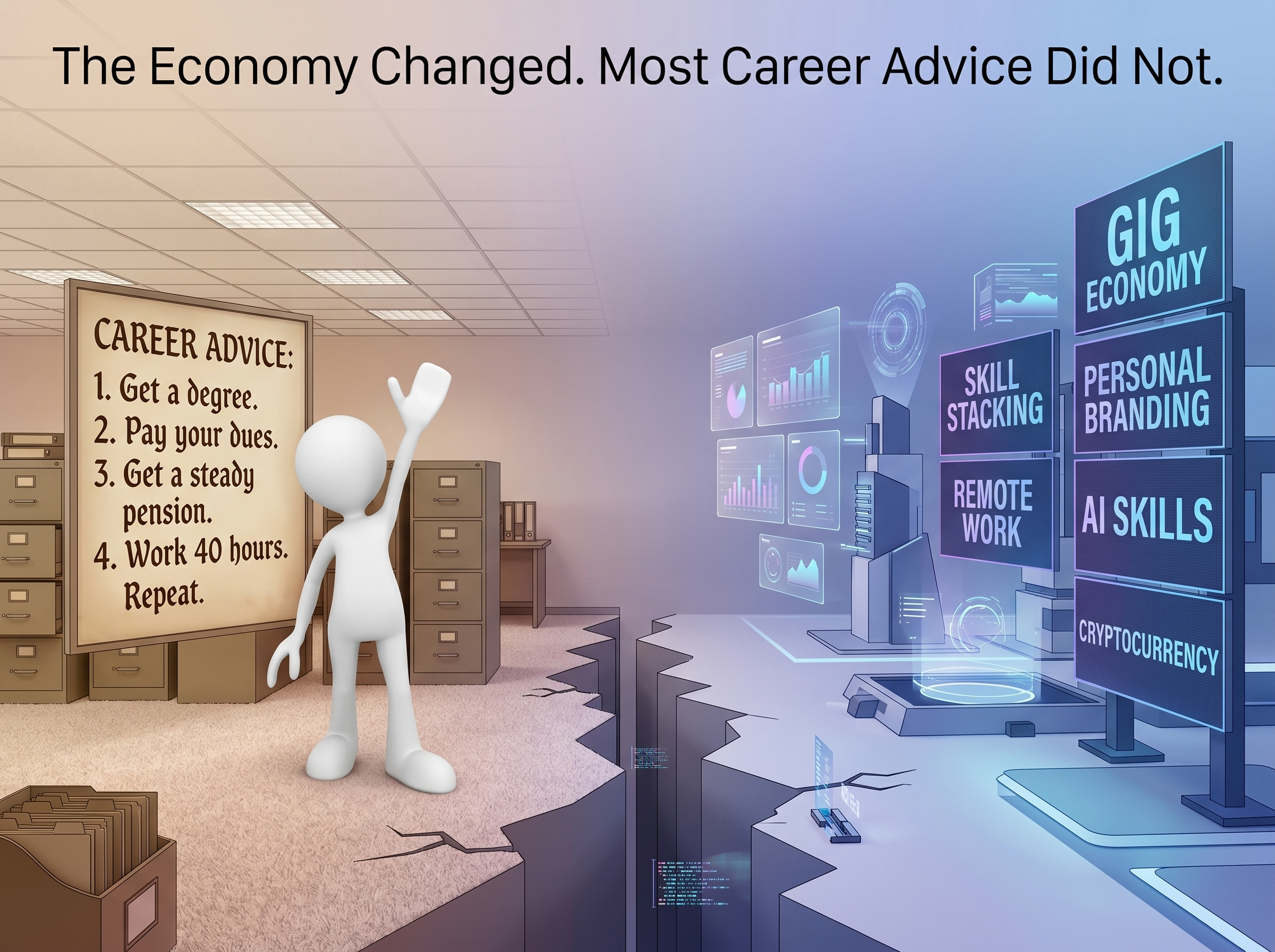
Most Career Advice Was Built For A World That No Longer Exists.
For a long time, the roadmap sounded simple. Get good grades. Go to school. Get a stable job. Work your way up. Buy the house. Retire later.
That advice was not stupid. It came from a world where things moved slower, credentials carried more weight for longer, housing felt more reachable, jobs felt more stable, and technology did not rewrite entire industries before people even understood what changed.
But that is not the world a lot of people feel they are living in now.
Today, AI is changing the type of work people do. Education costs keep forcing harder decisions. Housing feels out of reach for many families. Remote work opened doors, then got pulled back in some places. The creator economy exploded, but so did the noise. Online business became more accessible, but also more crowded.
So the question is no longer just, what career should I choose?
The better question might be: what skills, assets, and options am I building so I can adapt no matter what happens next?

The Traditional Path Is Under Pressure
I am not here to bash school, jobs, or the people who followed the traditional path. For a lot of people, that path still makes sense. Nurses, electricians, engineers, teachers, accountants, mechanics, doctors, pilots, surveyors, tradespeople, and licensed professionals all have reasons to follow structured training.
The problem is not that the old path is useless.
The problem is that the old path is now under pressure from more angles than most people were prepared for.
Education is more expensive. Housing is harder. Everyday costs eat more of the paycheck. Employers want experience before they give experience. Technology changes the tools before many workers finish learning the last version. And AI is now sitting in the middle of all of it, not as some distant sci-fi idea, but as a tool already showing up in offices, content teams, marketing departments, customer support, coding workflows, design software, and small business operations.
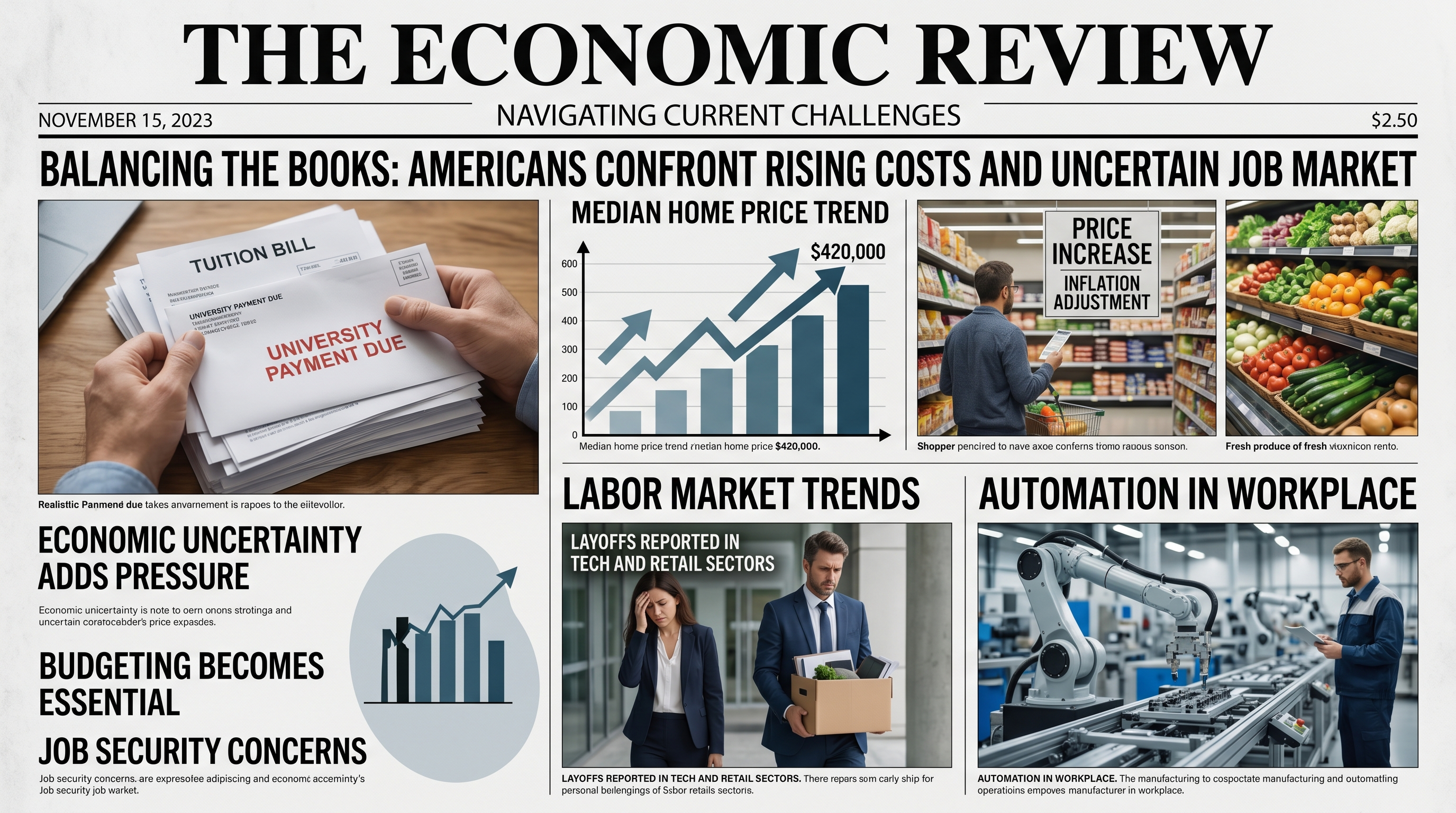
In Canada, Statistics Canada reported that average undergraduate tuition for Canadian students was expected to rise again in the 2025 and 2026 academic year. In the United States, NCES data shows the full price of attending college can become far larger once tuition, fees, room, and board are all included.
Again, that does not mean education is bad. It means the decision has changed.
Years ago, the question was often:
What should I study so I can get a good job?
Today, the question may need to be:
What skills can I build that keep me useful, flexible, and hard to replace?
That is a different conversation.
Why People Are Searching For The World Economy
When people search for things like the world economy, future of AI, digital assets, make money online, remote work, or alternative income, I do not think most of them are trying to become economists.
I think a lot of people are trying to understand why the ground feels different under their feet.
They can feel something shifting. They see headlines about AI. They see layoffs. They see prices rise. They see people online building income in strange new ways. They hear that skills matter, but they are not always sure which skills. They hear that opportunity is everywhere, but they also see plenty of people struggling.
That tension is the real article.
That is where most career advice starts to feel incomplete.
It still tells people to get the job, polish the resume, and hope the system rewards them. There is nothing wrong with a good job. There is nothing wrong with a strong resume. But in a faster economy, relying only on one path can feel risky.
The people who seem to adapt best are not always the people with the perfect title. They are often the people who keep stacking useful skills, building relationships, creating assets, and learning how to move when conditions change.
The Rise Of The Skill Economy
A job title used to explain a lot.
Today, it explains less.
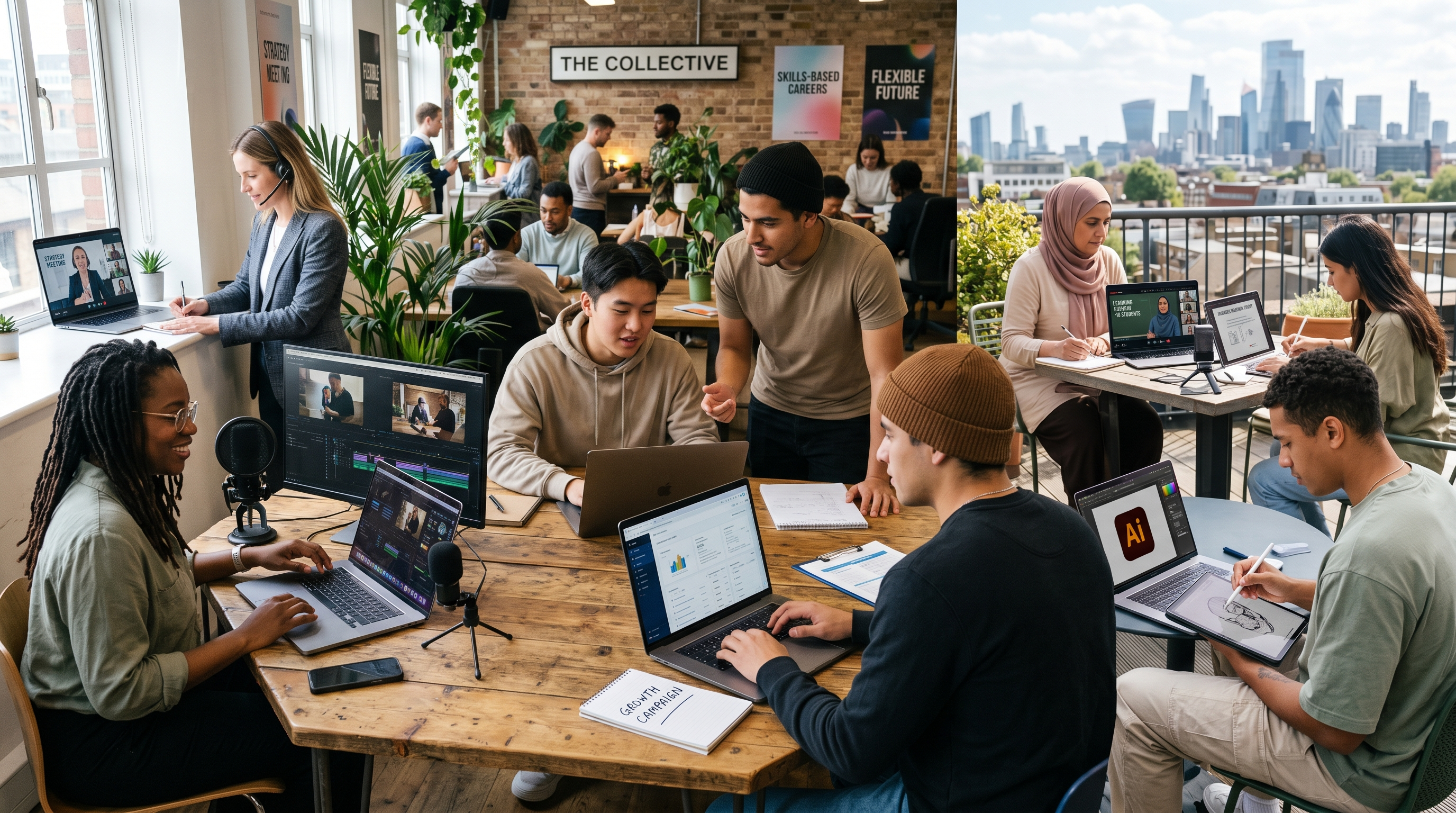
Someone can be a manager and not understand content. Someone can have a marketing title and not understand SEO. Someone can have a degree and still not know how to build a website, write a landing page, read analytics, use AI tools responsibly, set up an email sequence, or turn attention into trust.
At the same time, someone without a fancy title can build useful skills and become valuable very quickly.
The World Economic Forum Future of Jobs Report 2025 looks at how technology, AI, economic shifts, and workforce changes are reshaping jobs and skills between 2025 and 2030. The details are complex, but the practical lesson is not hard to understand.
Skills are moving.
Work is moving.
Opportunity is moving.
If your skills do not move too, you can get left defending a version of work that no longer needs as many people as it used to.
Skills That Seem To Matter More Now
This is not a complete list, but these are the types of skills I keep seeing show up across online business, marketing, content, AI, and modern work.
That last one matters more than most people realize.
Skills get you useful. Ownership gives those skills somewhere to compound.
Learning Has Changed Forever
The old learning model was mostly linear.
Learn. Graduate. Work.
That still applies in some fields. But for digital skills, the loop is different now.
Learn. Apply. Break something. Fix it. Publish something. Measure it. Learn again.
That loop may be messy, but it is powerful.
You do not need to wait four years to test whether you understand SEO. Publish an article and see if it gets indexed. You do not need a semester to understand whether a landing page is clear. Send real traffic and see if anyone takes action. You do not need permission to learn email marketing. Start a small list and learn what people actually open.
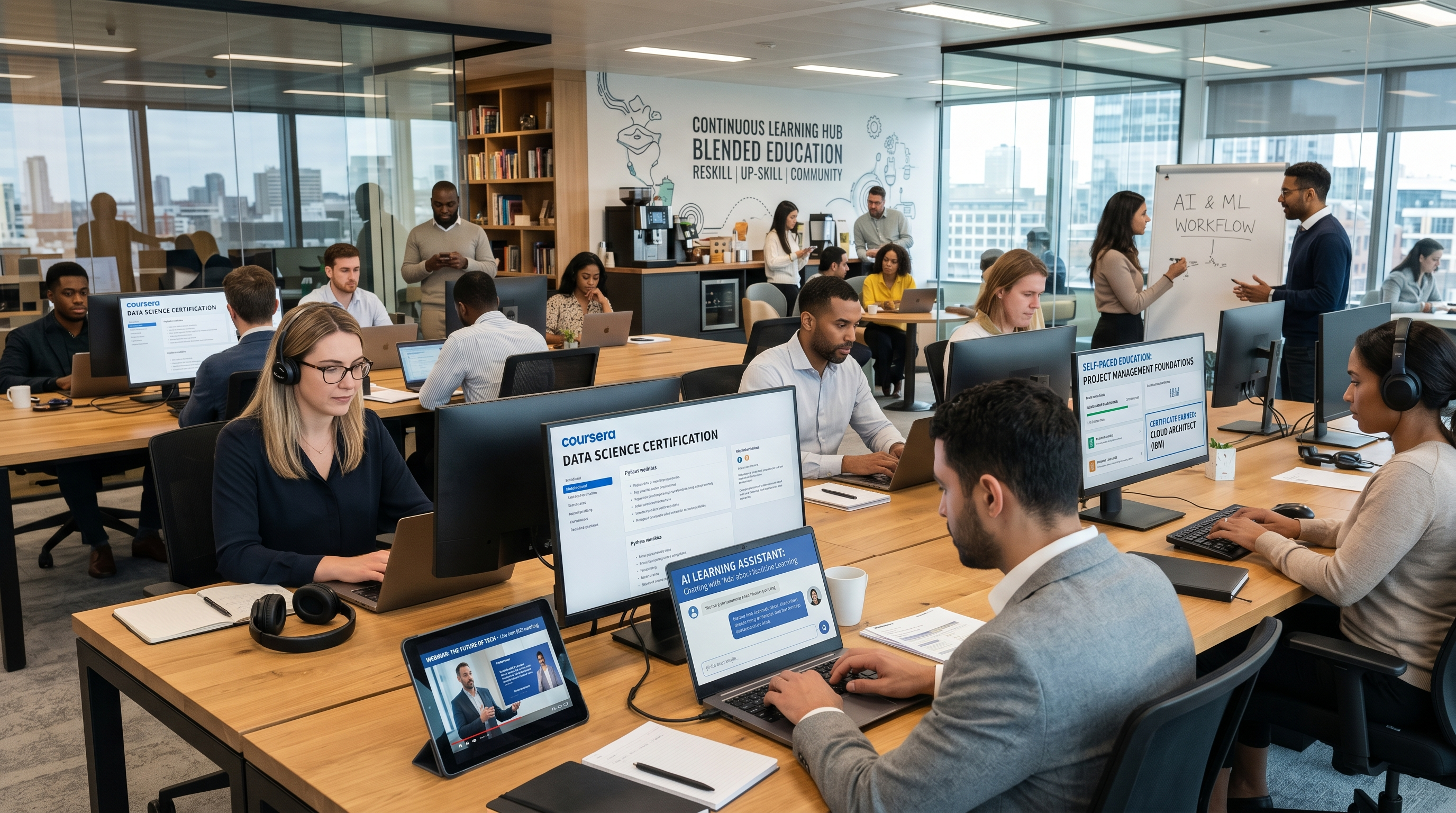
That is where online learning platforms can make sense. Alison, for example, can be useful for structured courses around business, technology, AI, marketing, and career development. You can use it to sharpen a specific skill without committing to a huge education expense up front.
But courses alone are not the win.
The win is applying the course to something real.
Explore Alison courses
How To Start Your Affiliate Website With No Experience
That is the part I wish more people understood.
You do not need to know everything before you start. In fact, waiting until you feel ready can become a very polite form of procrastination.
The Rise Of Digital Assets
This is where the conversation starts to move away from careers and into ownership.
A digital asset is something you build online that can continue creating value after the first effort is done.
It could be a website, a blog post, a YouTube channel, an email list, a digital book, an online course, a resource hub, a paid community, a useful tool, a template, a guide, or a brand people remember.

The important part is this: digital assets are not the same as quick money.
A website does not pay you just because you bought a domain. A YouTube channel does not become valuable just because you uploaded three videos. An email list does not matter if nobody trusts you. A digital product does not sell just because it exists.
Assets need traffic, trust, usefulness, consistency, and time.
That is where a lot of people get frustrated. They want the income before the asset has earned attention. They want the result before the system exists. They want the harvest before the seed has even figured out what season it is in.
Income Versus Assets
| Traditional Income Thinking | Digital Asset Thinking |
|---|---|
| I worked one hour, so I should be paid for one hour. | I built something useful that may keep creating value over time. |
| The paycheck depends mostly on showing up again. | The return depends on traffic, trust, systems, and usefulness. |
| The income usually stops when the work stops. | The asset can keep working after the first publishing effort. |
| The main question is, how much did I make today? | The better question is, what did I build that can still matter tomorrow? |
This does not mean jobs are bad. It means jobs and assets are different.
A job can pay the bills. An asset can create optionality. And in a world that keeps shifting, optionality is becoming more valuable.
If you are starting from zero, one of the first problems is traffic. I broke that down here: How To Build Traffic To A New Affiliate Website Without Paying For Ads.
Freedom Became The New Status Symbol
There was a time when success was easy to spot from the outside.
The title. The house. The vehicle. The office. The salary. The corner desk. The business card with words that sounded important.
I am not pretending those things do not matter. They can. For some people, they are still meaningful goals.
But I think a lot of people are quietly measuring success differently now.
Time. Location. Flexibility. Ownership. Options. The ability to work from somewhere other than the same chair every day. The ability to say no when something does not fit. The ability to learn something new without waiting for permission.
That shift is not always loud. It often shows up as a question people are afraid to say out loud:
What if I do not want the version of success everyone told me to chase?

Freedom Is The New Rich
This idea became the foundation of my book, Freedom Is The New Rich. The core thought is simple: wealth is not only about how much money you make. It is also about how much control you have over your time, your location, your work, and your future.
That does not mean money is irrelevant. It means money is only one part of the picture. A person can earn well and still feel trapped. Another person can earn less but have more control, more peace, and more room to choose.
View The Book On AmazonTechnology Is Reshaping Opportunity
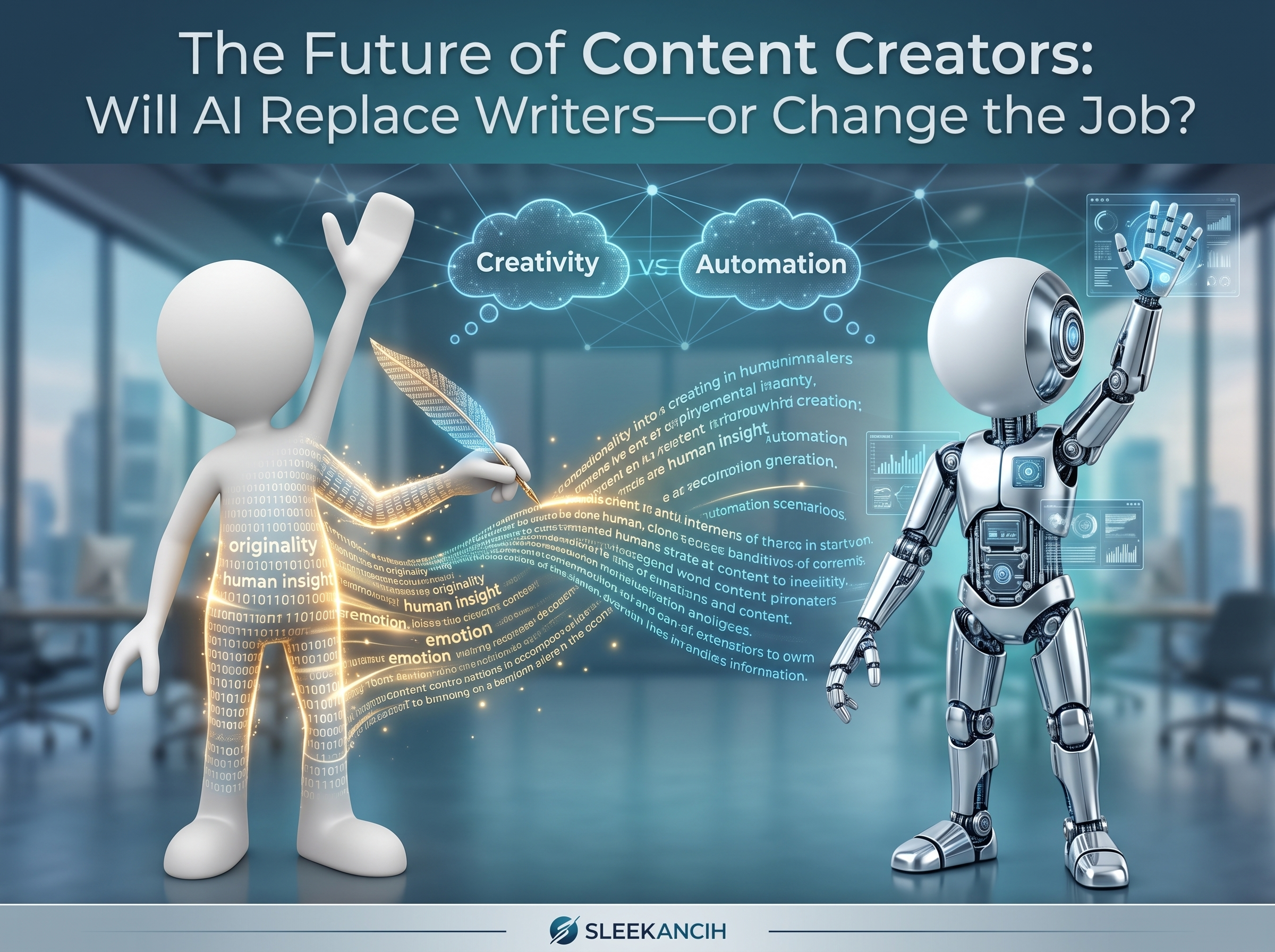
AI is not the whole story.
The bigger story is leverage.
A single person can now do things that used to require a small team. Research can move faster. Drafting can move faster. Design concepts can move faster. Coding help is more accessible. Video tools are easier to use. Website builders have improved. Analytics are more available. Publishing is instant.
That is powerful.
It is also dangerous if people mistake tools for direction.
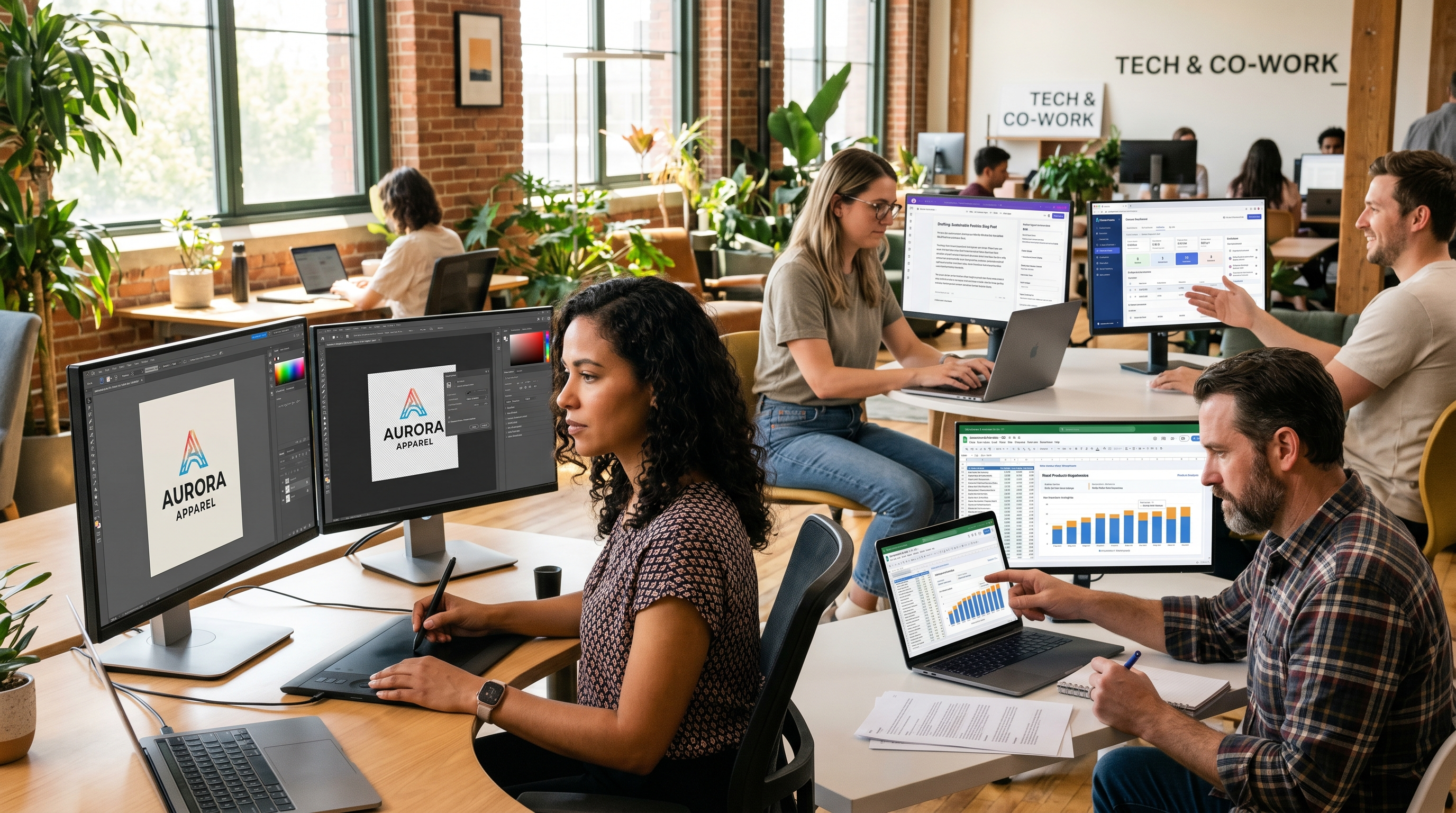
McKinsey has estimated that generative AI could add trillions of dollars in annual value across business use cases. That sounds massive, and it is. But for regular people, the practical question is simpler.
How do I use these tools to become more capable instead of more dependent?
That is the line I care about.
AI can help you outline an article. It cannot decide whether your lived experience is honest. AI can help you draft. It cannot give you real judgment unless you bring judgment to the table. AI can help you create faster. It cannot make your work worth trusting if you have nothing real underneath it.
This is why I think the best opportunity is not using AI to replace effort. It is using AI to remove friction from meaningful effort.
For example, my writing workflow has changed a lot because of AI, but the goal is still the same: create something useful enough for a real person to read. I shared that process here: How I Write Blog Posts That Actually Rank.
Building Has Never Been More Accessible
Twenty years ago, building an online business had more friction.
You needed more technical knowledge. More expensive software. More design help. More coding help. More guesswork. More patience for tools that felt like they were built by people who hated normal humans.
Today, the tools are everywhere.
That sounds like good news, and it is. But it also creates a new problem.
People can spend all day collecting tools and never build anything.
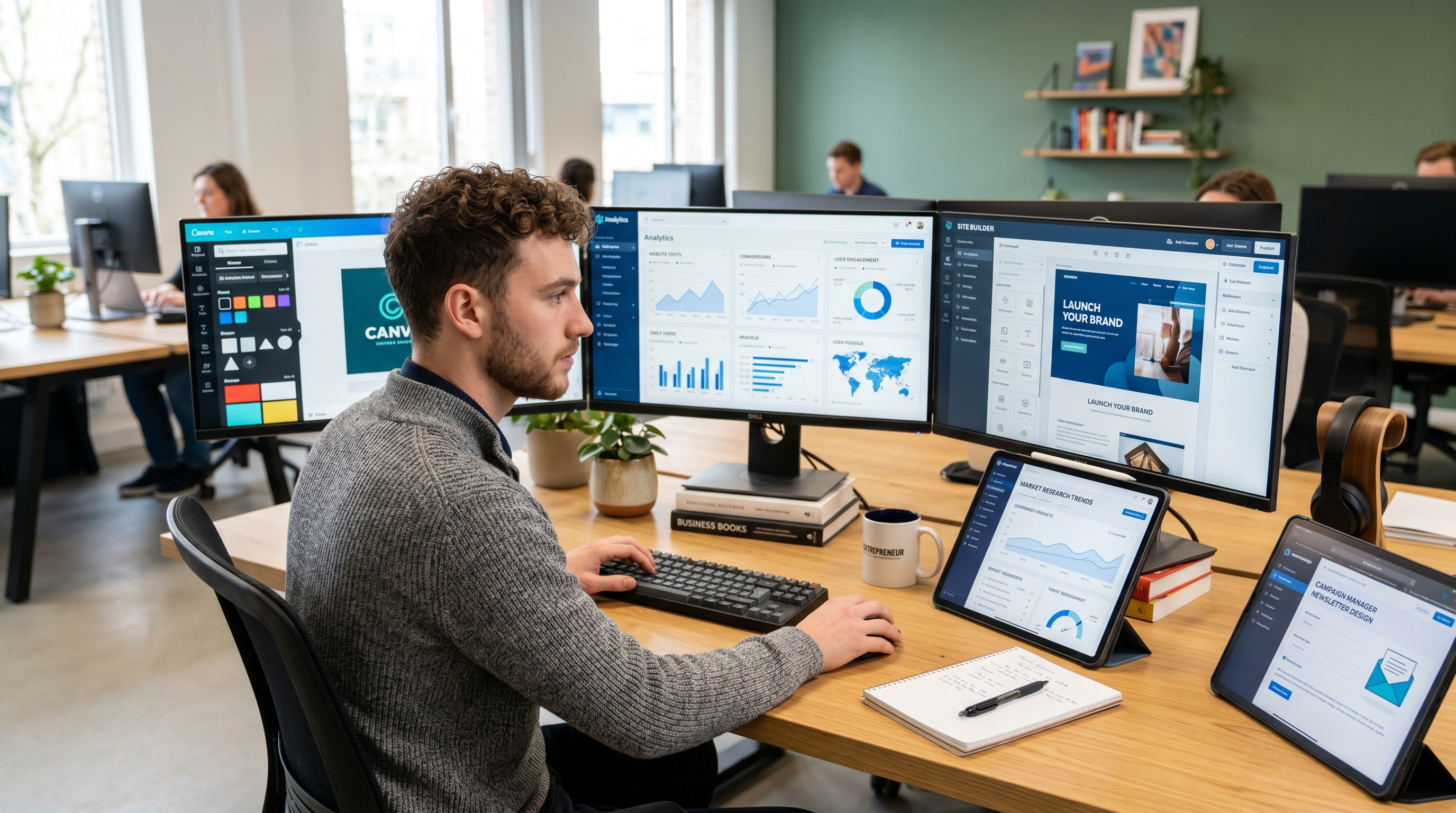
The Tool Stack Is Not The Business
This is where I see a lot of beginners get stuck.
They think the right tool will fix the lack of direction. They buy the software, sign up for the platform, open the dashboard, and then realize the tool still expects them to know what they are trying to build.
A keyword tool does not create strategy by itself. A website builder does not create trust by itself. An AI tool does not create experience by itself. An email platform does not create a relationship by itself.
Tools help when they serve the build.
They distract when they replace the build.
The question should not be, what tool should I buy next?
The better question is, what am I building, and which tool actually helps me move that forward?
I keep a full page of the tools I use for websites, SEO, writing, design, video, email, affiliate marketing, analytics, ecommerce, AI, and business.
You can find that here: Tools I Use To Build From 0 To 100K.
What Ordinary People Can Do Next
You do not need to predict the entire economy to start improving your position.
You do not need to become an economist. You do not need to quit your job tomorrow. You do not need to announce a personal brand on LinkedIn with a dramatic black-and-white profile picture and a post about your new mission.
You can start smaller than that.
Learn one skill. Build one project. Publish one useful thing. Measure one result. Improve one system.
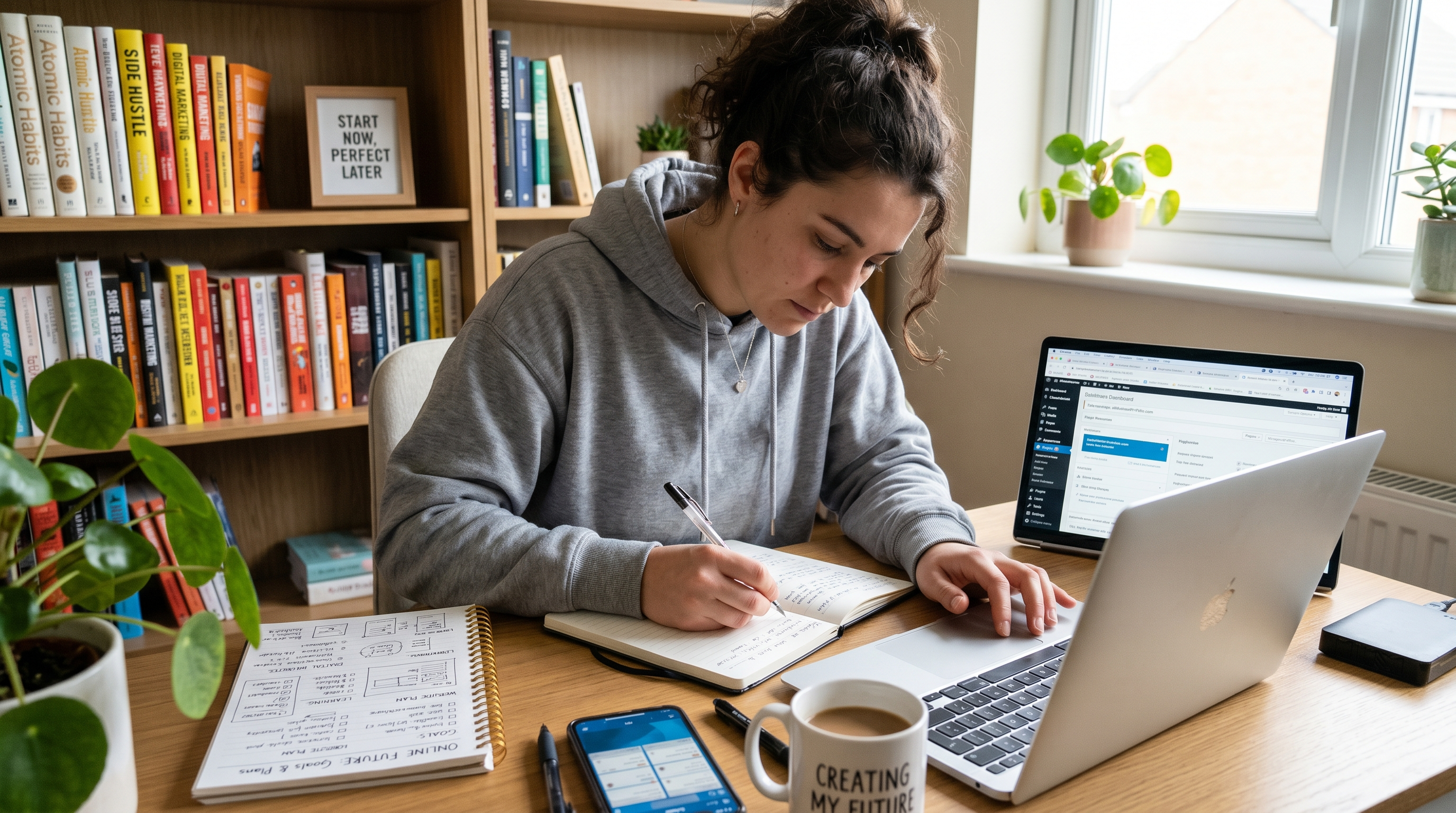
A Practical 5 Step Starting Point
If you want a platform that combines training, websites, hosting, keyword research, community, and affiliate business tools, I wrote my deeper review here: Wealthy Affiliate Review: The Real Story For Beginners Who Want Digital Skills That Pay.
That is not the only path, and it is not a magic button. But it is one of the platforms I use inside my own build.
The Question Nobody Can Answer For You
The economy will keep changing.
AI will keep changing.
Technology will keep changing.
Career advice will keep trying to catch up.

The question is not whether the world will change. That part is already happening.
The question is whether you are building skills, assets, and opportunities that can change with it.
That does not mean everyone needs to quit their job, become a creator, or start calling themselves an entrepreneur by lunch. It does not mean school is pointless. It does not mean jobs are bad. It does not mean AI is either your savior or your enemy.
It means the old advice may no longer be enough by itself.
Learn. Build. Publish. Improve. Own something.
That is the part of the new economy that most ordinary people can actually control.
Start With The Tools
If you want to see the actual tools I use to build websites, create content, research keywords, manage affiliate work, and test online business ideas, start here.
FAQ
Is traditional career advice outdated?
Not completely. Traditional career advice can still be useful, especially for fields that require formal credentials, trades, licensing, or structured training. The issue is that it may be incomplete in a world shaped by AI, remote work, digital skills, online business, and faster economic change.
What skills matter most in the new economy?
Useful skills include writing, communication, SEO, sales, digital marketing, AI tool use, analytics, content creation, website building, email marketing, design, problem solving, and the ability to keep learning.
Are digital assets better than a job?
Not automatically. A job can provide stability and steady income. Digital assets can create long-term leverage, but they take time, skill, traffic, trust, and consistency to become valuable.
Does AI make online business easier?
AI can reduce friction and speed up tasks like research, drafting, planning, design ideas, coding support, and workflow organization. But it does not replace direction, judgment, trust, experience, or consistent execution.
What is the easiest way to start building online?
Start by learning one useful digital skill, attaching it to one small project, publishing consistently, and improving from real feedback. A simple website, blog, newsletter, or resource page can be a practical starting point.
Should I quit my job to build digital assets?
Not without a realistic plan. For most people, it makes more sense to build skills and digital assets alongside existing work until the new path has enough evidence, income, and stability to justify bigger changes.


Leave a Reply