
Last Updated on July 29, 2026 by Jeremy
For years, the basic deal behind a website was easy to understand: publish something useful, get found in search, earn a click, and then help the visitor take the next step.
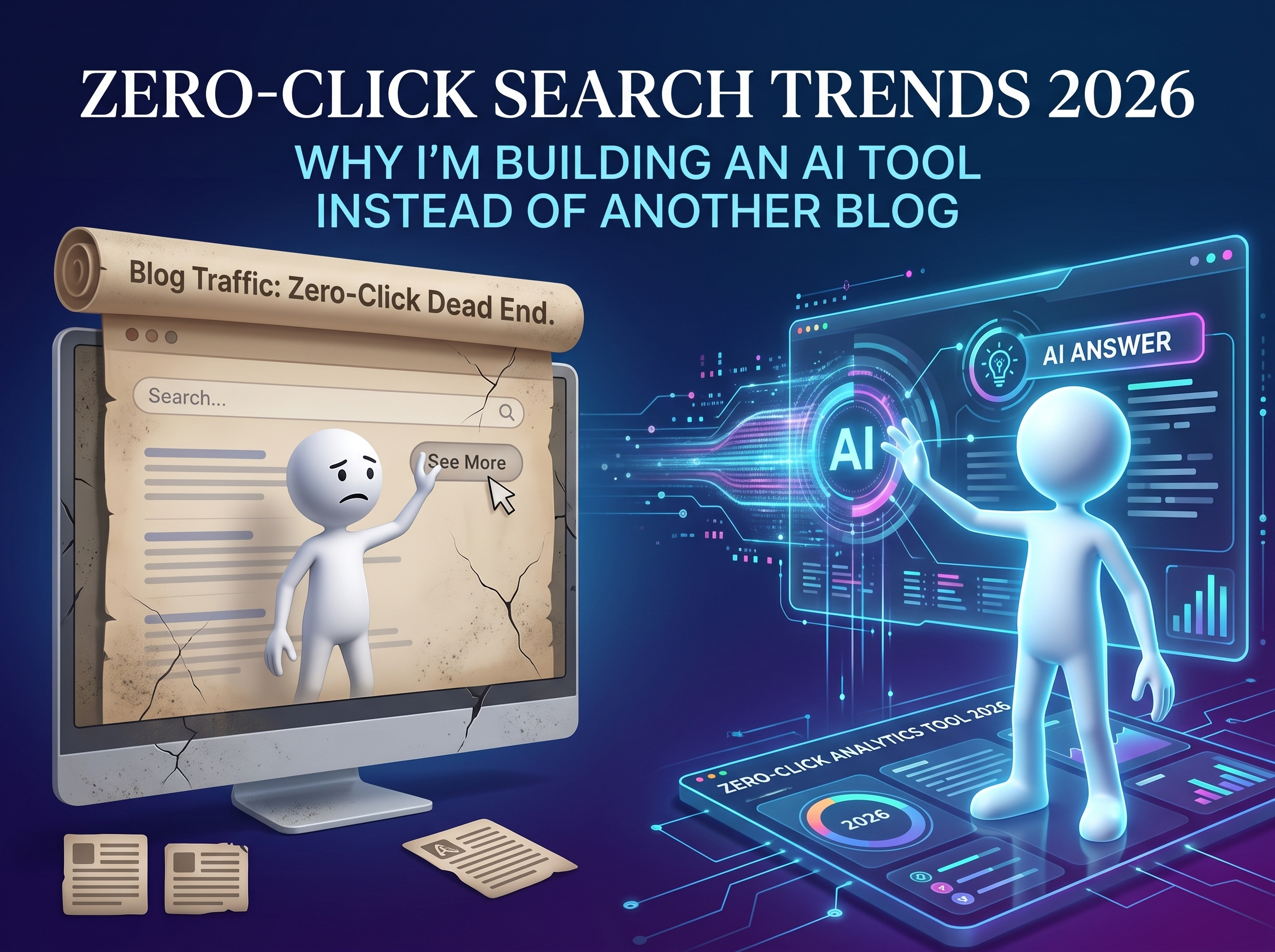
That deal has changed. Search engines and AI assistants increasingly answer the question before a person ever visits the source. That does not mean websites are dead. It means a website that only explains things is competing with machines built to explain things instantly.
Quick answer
- Zero-click search means a search ends without a visit to another website.
- A 2026 SparkToro/Datos study found that 68.01% of U.S. Google searches in its dataset produced no click to the open web.
- Informational blogs still matter, but “publish more explanations” is no longer a complete business strategy.
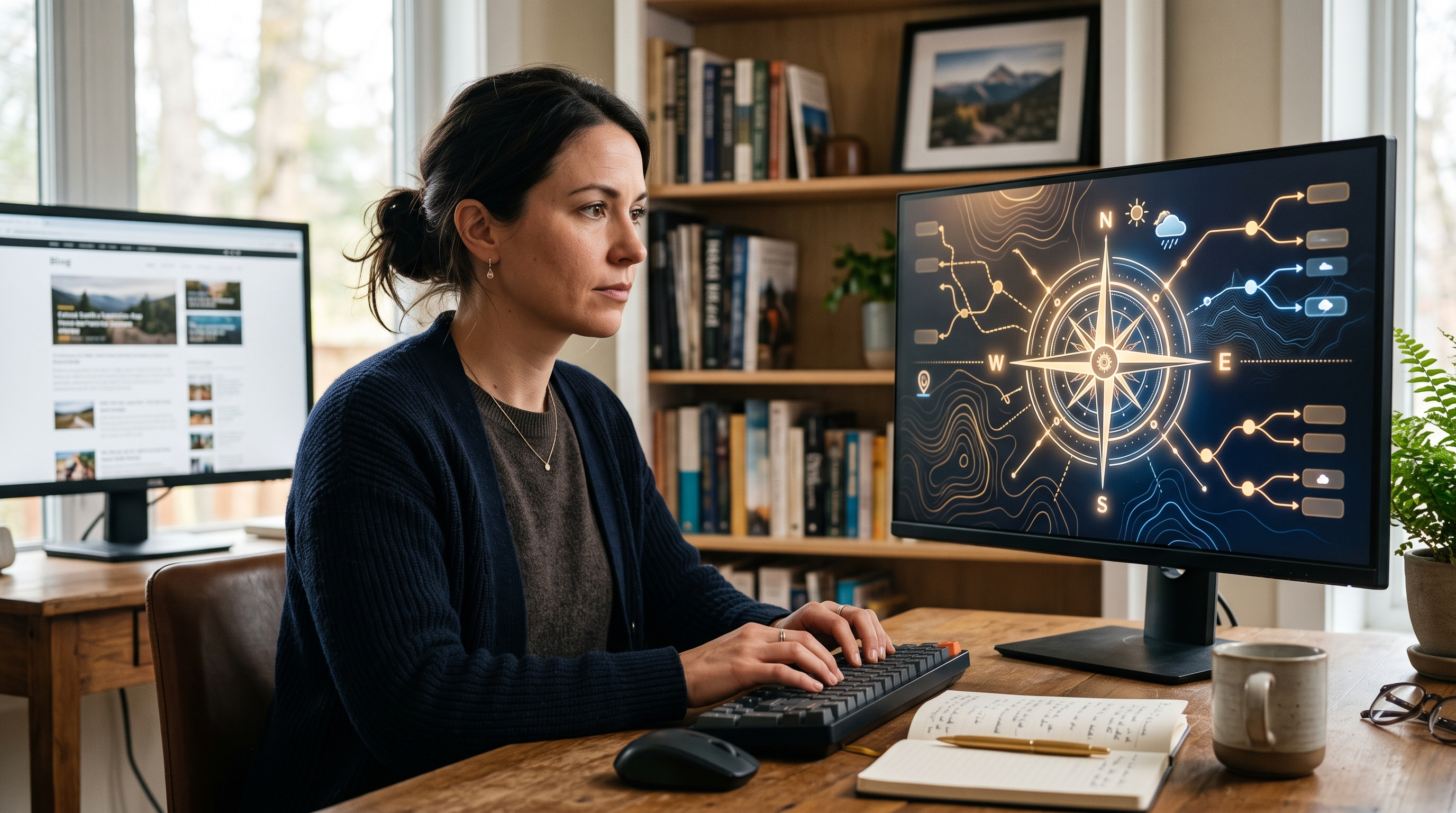
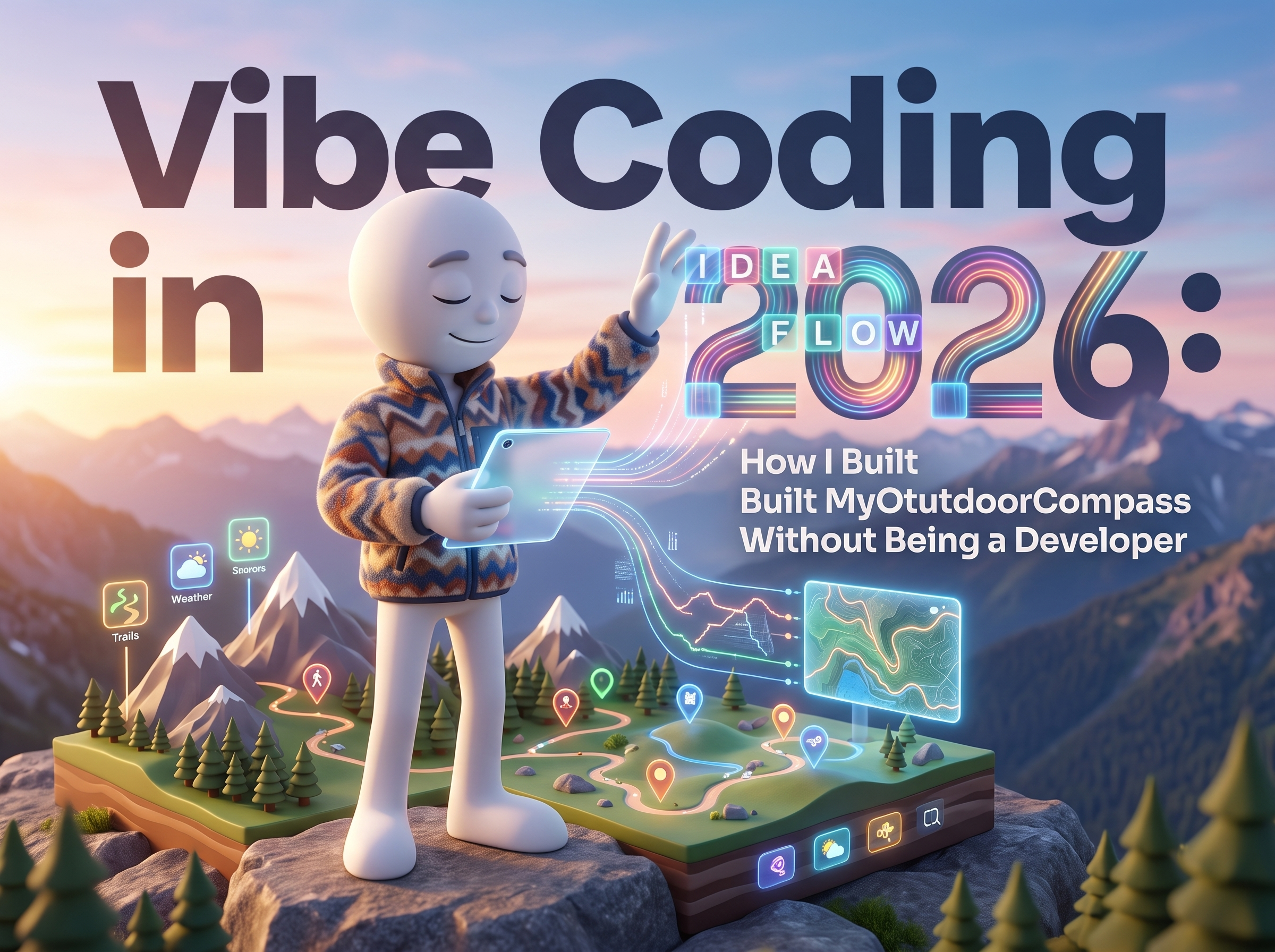
- My response is to build something people can use: MyOutdoorCompass.com, currently a working beta moving quickly toward a real-time live operation.
What zero-click search means in 2026
A zero-click search is exactly what it sounds like. Someone searches, reads the answer on the results page or inside an AI response, and leaves without clicking a traditional listing.
This can happen through a featured snippet, map result, weather panel, calculator, AI summary, shopping module, or a conversational answer assembled from multiple sources. The searcher may be completely satisfied. The publisher who supplied part of the answer may receive no visit at all.
The exact percentage will vary by dataset, country, device, and definition. The direction is harder to argue with. Google is openly building more AI into Search, and its own documentation now tells publishers how content may appear in AI features and how that traffic is reported.
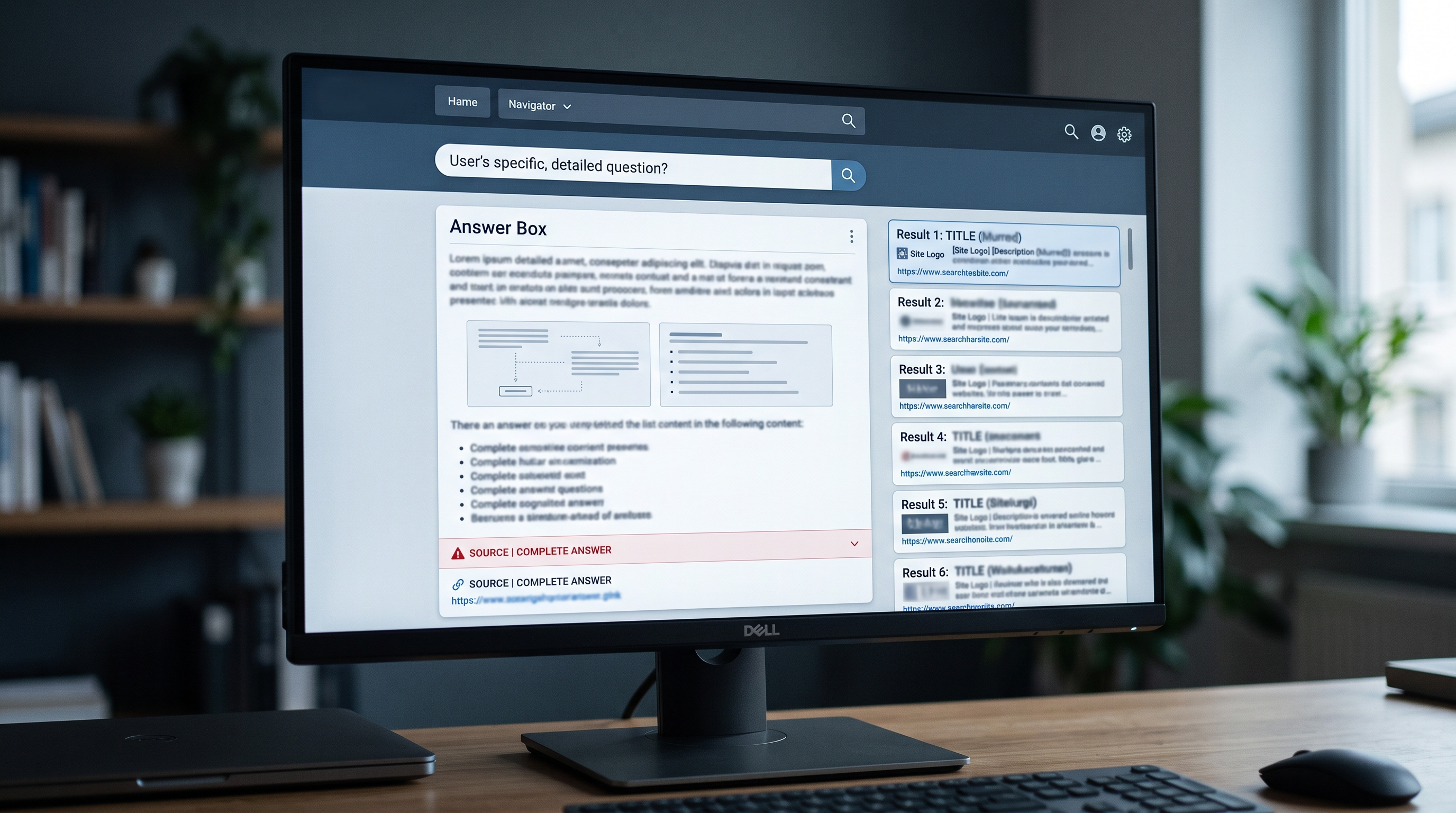
Search is becoming an answer layer, not merely a directory.
The uncomfortable lesson for affiliate site builders
I built websites because I believed useful content could compound. I still believe that. A strong article can earn trust, introduce a brand, support a product, and keep working long after publication.
But there is a difference between content being valuable and every content format being equally defensible.
If an article answers “What is X?” using the same public facts as fifty other pages, an AI system can summarize it easily. If a page helps someone compare a live situation, calculate a personal result, assemble a checklist, or make a decision using changing inputs, the value is harder to compress into one generic paragraph.
| Old content assumption | 2026 reality | Better response |
|---|---|---|
| More articles automatically create more traffic. | More pages can create more maintenance while AI absorbs basic answers. | Publish fewer, stronger assets tied to a useful system. |
| Rankings are the final goal. | A ranking can appear below AI features or produce impressions without clicks. | Track qualified visits, return users, leads, and completed actions. |
| Information creates the moat. | Common information is abundant. | Use original experience, unique data, tools, community, or service. |
| SEO means writing for keywords. | Search systems increasingly interpret tasks and intent. | Help the user finish the task better than a summary can. |
Why I am building an AI tool instead of another blog
I could launch another content site. I know the process: choose a niche, build the WordPress shell, research keywords, publish clusters, add affiliate links, wait, measure, and keep going.
Instead, I am working on MyOutdoorCompass.com. It is a working beta, and changes are coming fast as it moves toward a real-time live operation.
The idea is not to abandon content. The idea is to connect content to utility. Outdoor decisions are rarely answered by one permanent paragraph. Conditions change. A route that looked fine yesterday may not look fine this morning. A campground, weather system, smoke plume, closure, or travel plan can change the decision.

The opportunity is to move from “read another answer” to “make a better decision.”
Content is not disappearing—it is changing jobs
A tool without trustworthy explanations can feel like a black box. A blog without utility can feel like another tab to close. The stronger model combines them.
Content can earn the first moment of trust
A real story, test, comparison, or beginner guide shows how you think. It gives context an interface cannot always provide. That is why I am not deleting my websites and pretending every answer belongs inside an app.
A tool can earn the return visit
People may read “how to plan a safe outdoor trip” once. They may check changing conditions repeatedly. Repeat usefulness is a different relationship than a single search click.
Email and direct audiences become more important
If every new visitor depends on an algorithm choosing your blue link, you are renting the front door. A useful newsletter, bookmark-worthy tool, recognizable brand, or community gives people a reason to come back directly.
Original experience becomes harder to fake
AI can summarize a generic checklist. It cannot honestly claim your four years of results, your screenshots, your mistakes, or the decision you made after a project failed. That is why firsthand material must become more specific, not less.
What Google actually recommends
Google’s current guidance is less dramatic than many social posts make it sound. Its AI optimization documentation still points creators back to familiar foundations: helpful, reliable, people-first content; crawlable pages; accurate structured data; good page experience; and content that satisfies the visitor.
There is no secret “AI schema” switch that guarantees citation. There is also no evidence that stuffing an article with robotic question headings will rescue weak content.

My practical zero-click strategy for a small website
- Protect the pages that already work. Update facts, improve the opening answer, repair links, and make the next step obvious.
- Stop publishing interchangeable information. Add evidence only you can provide: results, photos, screenshots, decisions, timelines, and honest limitations.
- Turn repeated questions into utilities. A calculator, selector, planner, tracker, template, or interactive checklist may serve the task better than another 2,000 words.
- Build a connected content system. Articles should support a tool, product, email series, service, or clear learning path—not sit alone waiting for traffic.
- Measure outcomes beyond clicks. Watch returning visitors, email signups, tool use, branded searches, enquiries, and conversions.
What I would still write as a blog post
I would still write articles that contain something worth attributing to a person:
- A real case study with numbers and dates.
- A product review based on direct testing.
- A tutorial built from screenshots of a real process.
- An opinion supported by experience, not recycled consensus.
- A story that helps a beginner understand the emotional part of building.
- A guide that feeds directly into a useful tool or next action.
In other words, I am not choosing tools over writing. I am choosing a business where writing explains the value and the product delivers it.
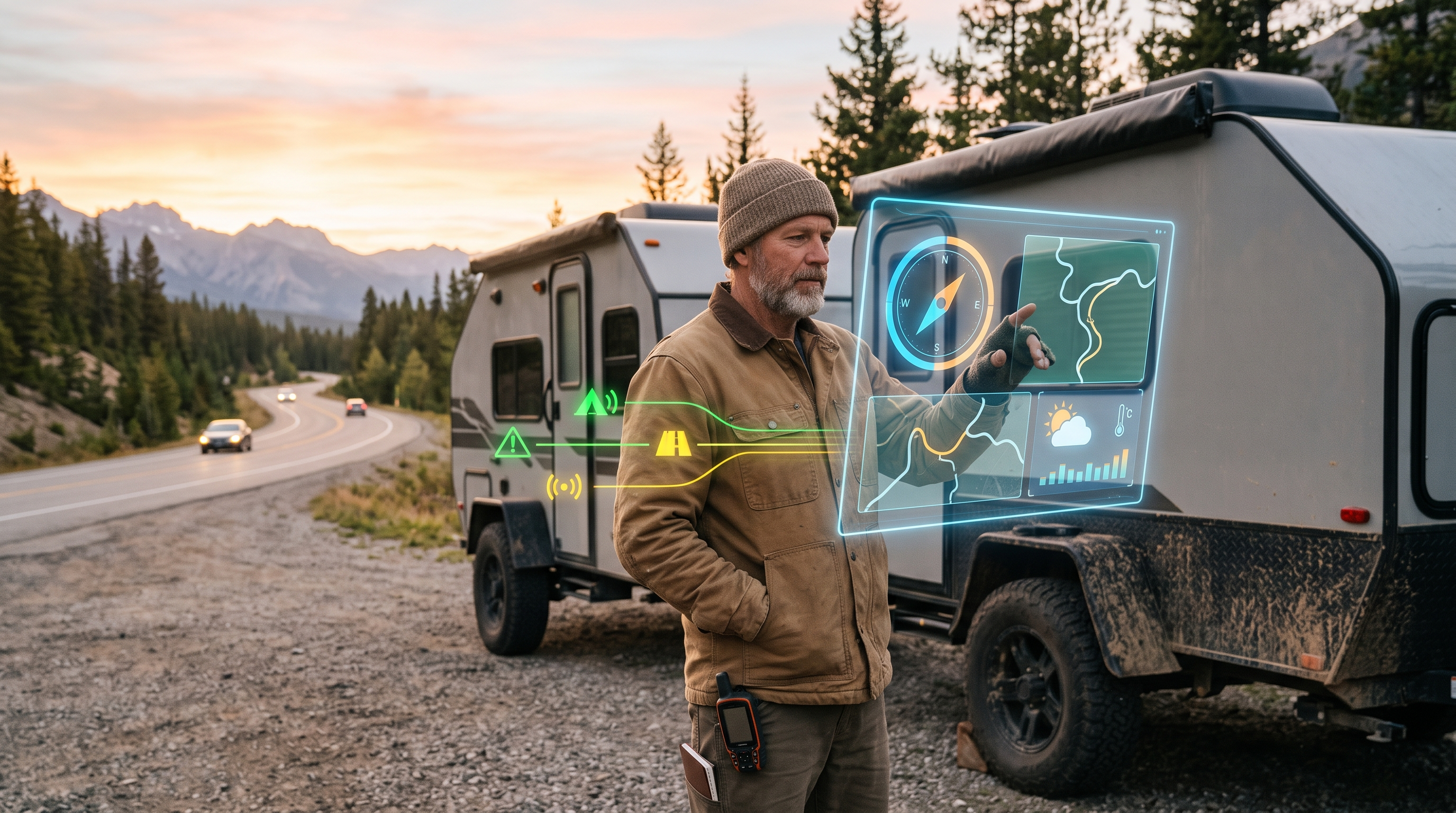
The risk: building tools is harder than writing articles
This pivot has costs. Tools break. Data sources change. Interfaces confuse people. A beta can expose every assumption you made while building it. Real-time information creates an obligation to show timestamps, limits, and sources clearly.
That is also why useful software can be more defensible. The difficulty is part of the value.
I learned to code “just enough” because I wanted my websites to do more. The next stage is learning enough to make the tool reliable, transparent, and genuinely helpful. I expect mistakes. I also expect the lessons to be more valuable than publishing article number 101 on a question an AI overview can answer in ten seconds.
Where I would start today
If you are new, do not panic and do not chase every trend. Learn the fundamentals, build one useful property, and pay attention to what real visitors are trying to accomplish.
Start the 0–100K path Explore the blueprints See the MyOutdoorCompass betaFinal thought
Zero-click search is not a reason to quit. It is a reason to become more useful.
The web still needs people who test, build, document, compare, and tell the truth about what happened. But the safest plan is no longer to assume that publishing another general answer will automatically earn another visit.
My bet is that the next durable websites will not merely describe the work. They will help do the work.
Frequently asked questions
What is zero-click search?
It is a search session that ends without the user clicking through to an external website. The answer may come from a search feature, map, calculator, AI response, or another result-page element.
Is SEO dead in 2026?
No. Discoverability, technical access, relevance, and trust still matter. The change is that rankings and impressions do not always create website visits, so businesses need to measure deeper outcomes and offer value beyond a basic answer.
Should I stop writing blog posts?
No. Write posts with firsthand evidence, original analysis, useful media, or a clear connection to a product or tool. Reconsider content that only repeats facts already available everywhere.
What is MyOutdoorCompass?
MyOutdoorCompass.com is Jeremy’s working beta for organizing outdoor planning information. It is changing quickly as it moves toward a real-time live operation and should be used alongside official sources and local guidance.
How can a small publisher adapt to AI search?
Strengthen proven pages, publish original experience, build direct audiences, create tools for repeat tasks, and track leads, return visits, and conversions rather than relying only on search clicks.
Sources and further reading
Some links on this site may be affiliate links. If you purchase through one, I may earn a commission at no extra cost to you.

Leave a Reply