

Last Updated on February 27, 2026 by Jeremy
When people search “top affiliate monetization models,” they are not asking for a list. They are asking where income really comes from when the hype is removed and you still have to pay for groceries.
I have been building online since 2022. I run multiple brands, and I have made money, but I have not locked in consistent monthly income yet. That does not make this article weaker. It makes it useful, because most people reading this are in the same stage, even if nobody wants to admit it out loud.
If you are torn between building traffic, pushing offers, starting another niche, or rebuilding your whole site for the fifth time, I get it. I have done that loop. This page is the clearer version of what I wish I had followed earlier.

TLDR
- There are five monetization models that matter. Most people fail by stacking them too early or running five ecosystems at once.
- Low-ticket is stable when traffic exists. Recurring SaaS is the smartest long-term layer, but it needs trust first.
- High-ticket looks exciting online, but without authority it usually stays theoretical.
- The 2026 winners build authority first, then use media + AI distribution, then layer recurring revenue for stability.
- If you want a clean start: pick one ecosystem, build traffic, then stack recurring as layer two.
My Real Revenue Mix (And Why It Matters)
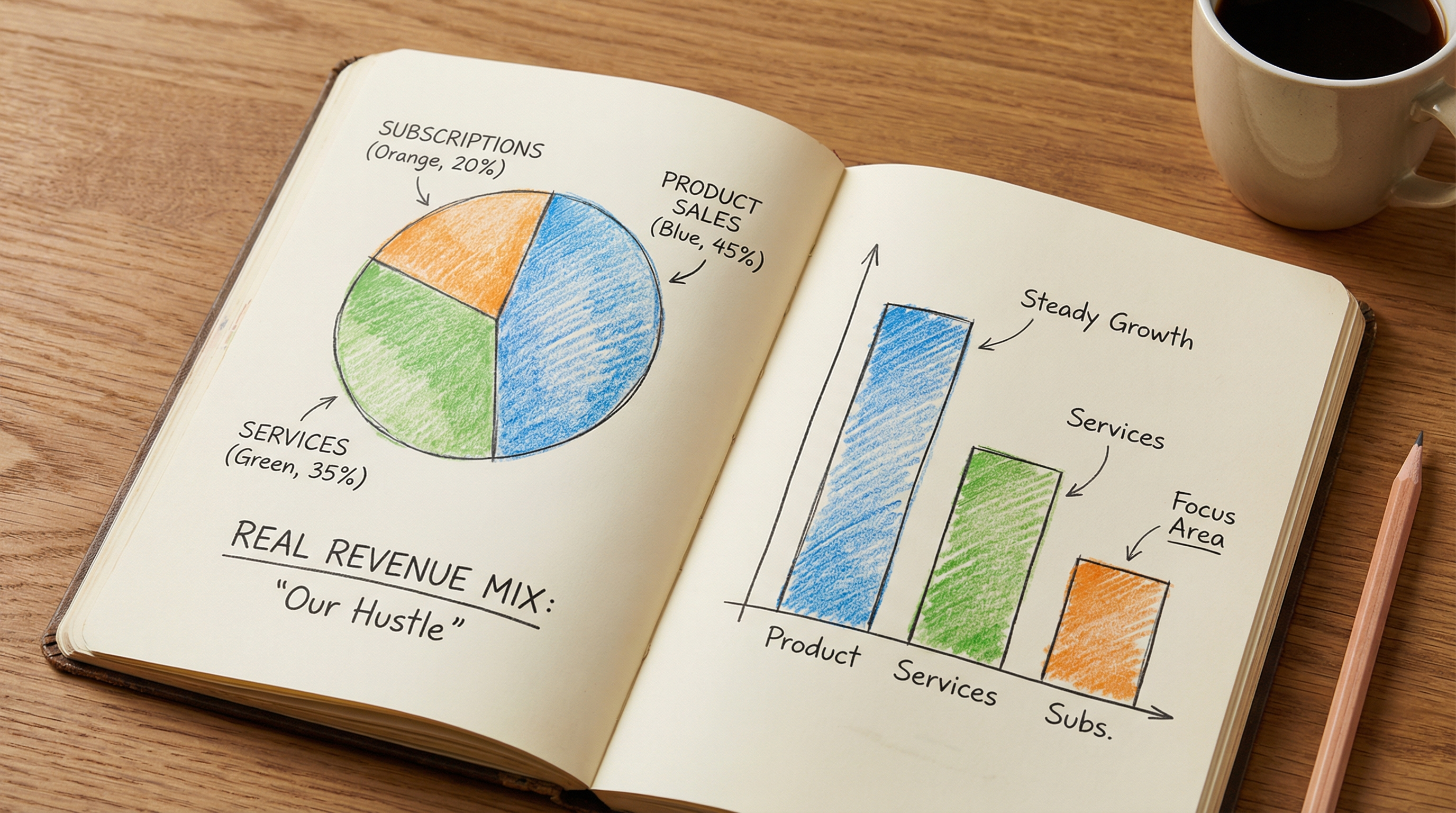
Here is my current mix across my brands. It is not designed to impress anyone. It is designed to be honest, because this is what most “how to monetize” articles skip.
Current mix
| Income stream | Share | Reality check |
|---|---|---|
| Low-ticket affiliate links | ~65% | Stable once pages rank. Slow until traffic shows up. |
| POD / Store | ~11% | Scalable, but only if the store gets consistent traffic. |
| Service-based | ~9% | Volatile. Great weeks exist. Quiet weeks exist too. |
| Recurring SaaS | ~7% | Best stability layer long-term, but the hardest to “sell” emotionally. |
| High-ticket | ~2% | Looks glamorous online. Without authority, it stays mostly theoretical. |
Signals since 2022
Everything RVs and More: roughly $2,500 total since 2022. It is a pile of small wins. It proves low-ticket compounding works when traffic exists.
Earthbound Tours: roughly $30 to $50 since the rebrand. Early stage. Still building the base.
Amazon Associates: multiple attempts. The limiting factor is not the affiliate program. It is traffic. No traffic means no sales, no matter how clean the links are.
My biggest bottleneck is traffic. The second bottleneck is focus. I have built multiple ecosystems at once, and the compounding effect slows down when every brand is still in foundation mode.
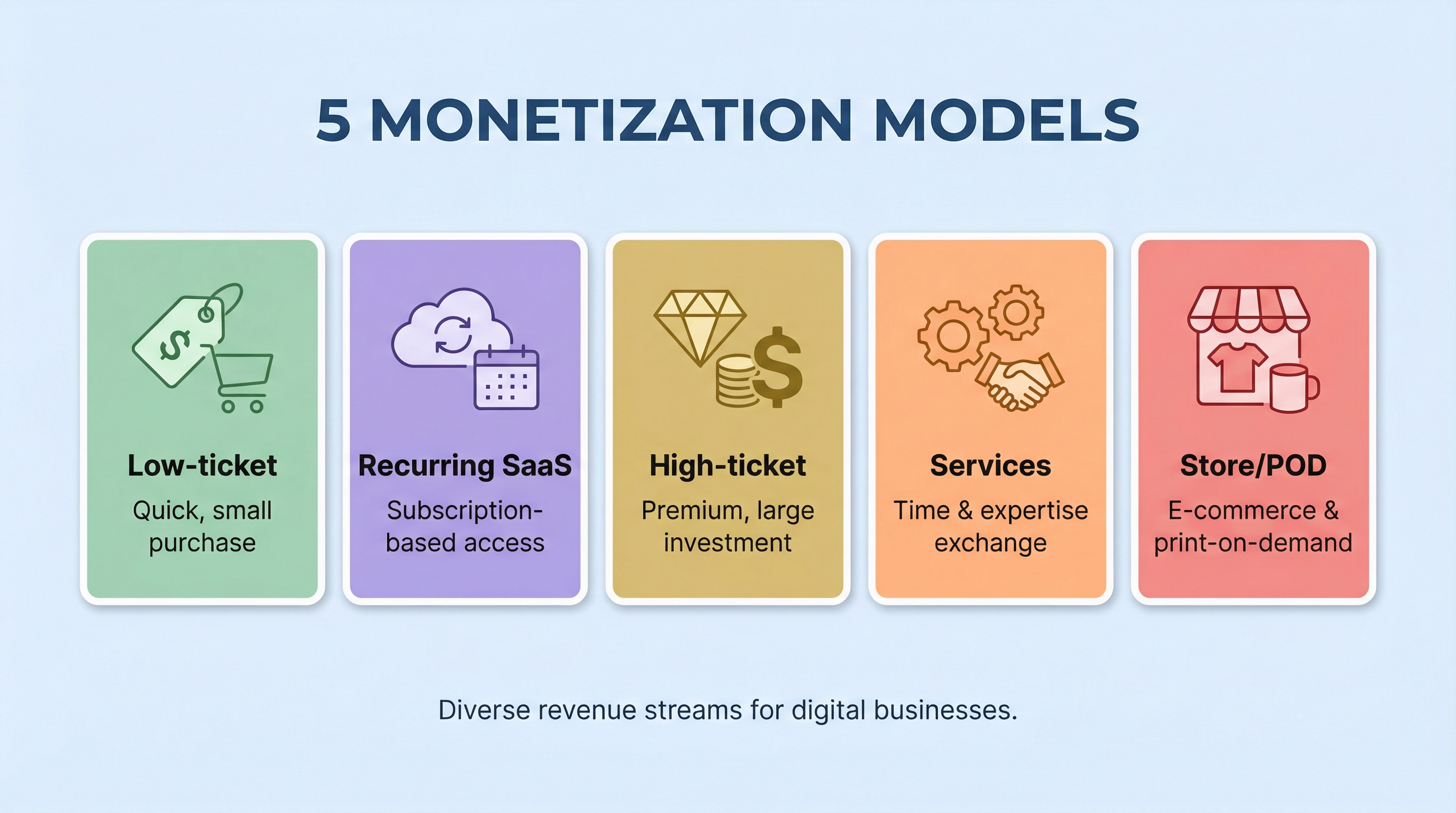
The 5 Affiliate Monetization Models That Actually Matter
Almost every affiliate business is a blend of these five. The mistake is not choosing one. The mistake is stacking the wrong one first.
1) Low-ticket, content-first model
This model is simple. You create content that solves a problem, and you recommend products or services that fit that problem. The commissions are smaller, but the model is stable once pages rank.
This is where most of my current income comes from, because when something ranks, it can produce quietly for months. It is not flashy. It is reliable.
The weakness is also obvious. If traffic is thin, everything feels broken. The links are not broken. The traffic is missing.
2) Recurring SaaS model
Recurring is the closest thing affiliate marketing has to stability. Not because it is easier, but because it compounds when you build trust correctly.
The hard part is emotional, not technical. People tend to fall into two groups. They are either scared to start, or comfortable enough that a second income does not feel urgent until it is. That makes recurring offers mentally draining if you lead with them too early.
Recurring works best as a second layer, not as the first pitch.
3) High-ticket model
High-ticket is the one everyone wants to talk about because the commissions look huge. The reality is that high-ticket needs authority, positioning, and real trust.
Without authority, high-ticket tends to stay theoretical. People can sense when the recommendation is coming from experience versus hope.
4) Service-based model
Services can create fast income because you are being paid for time, skill, and outcomes. The downside is volatility. Leads go quiet. Life happens. Time is capped.
Services also make it tempting to stop building long-term assets, because short-term income feels safer. That is where a lot of people get stuck.
5) Store or product model (POD, dropship, physical)
A store is scalable when it has traffic. Without traffic, it is a clean storefront with no foot traffic. The appeal is control. You control margins, branding, and offers.
The downside is the same. You still need traffic, and you still need trust.
Comparison Table: Stability vs Effort vs Timing
If you want a quick way to think about the “best affiliate monetization model,” this is the lens I use. Not which model pays the most on paper. Which model makes sense for your stage.
| Model | Stability | Scalability | Time to first results | Best stage | Common failure point |
|---|---|---|---|---|---|
| Low-ticket content | High (after ranking) | Medium | Slow | Beginner → Intermediate | Quitting before traffic arrives |
| Recurring SaaS | High | High | Medium | Intermediate (after trust) | Pushing it before authority exists |
| High-ticket | Medium | High | Unpredictable | Authority stage | Trying to “close” with no proof |
| Services | Medium | Medium | Fast | Any stage | Time cap and feast/famine cycles |
| Store (POD/products) | Medium | High (with traffic) | Medium | Traffic stage | Launching without distribution |
The Correct Build Order (The Part Most People Skip)
The reason affiliate monetization feels confusing is because people build backward. They chase the model first, then wonder why the money does not follow.
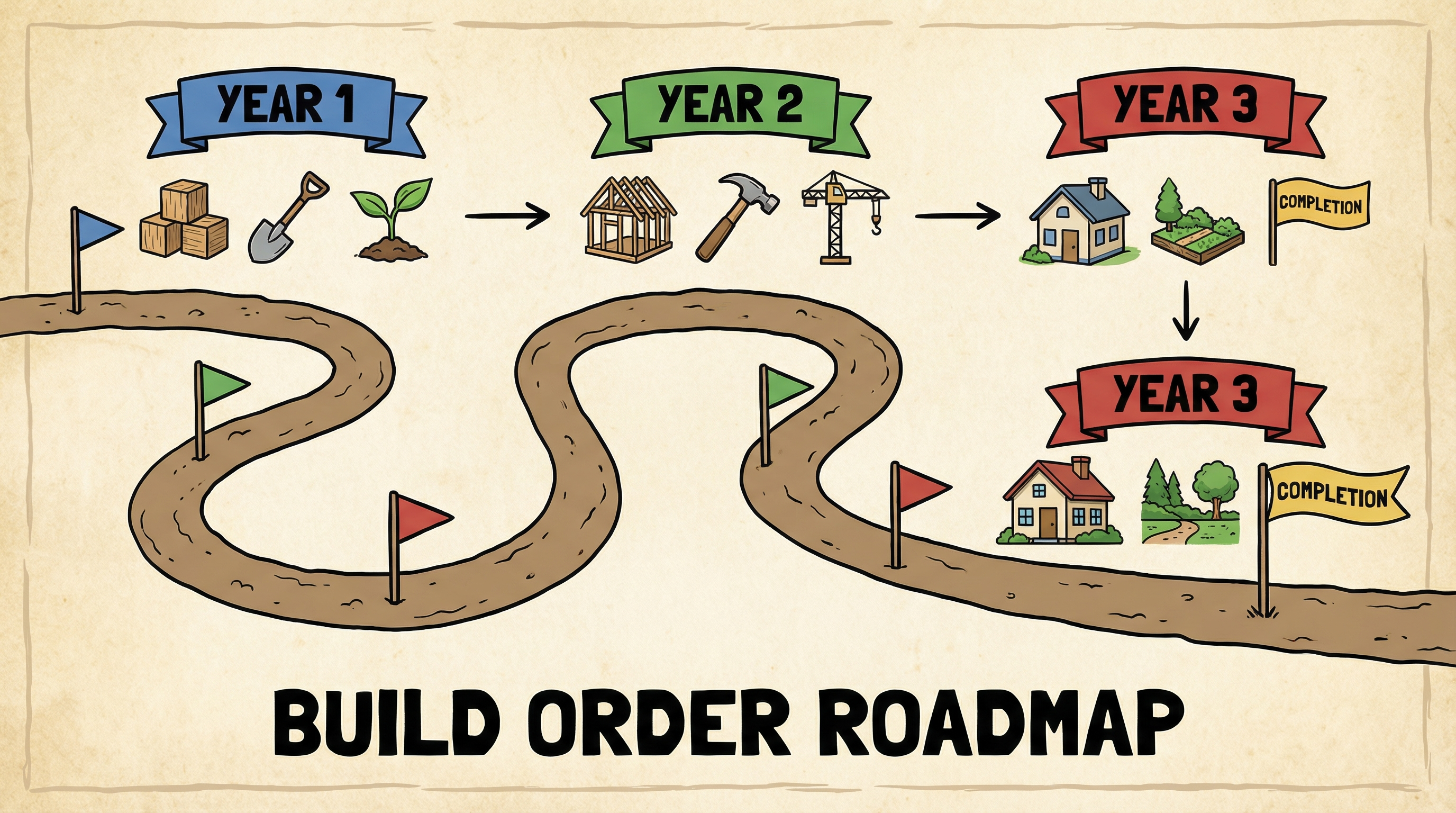
Build order that actually holds up
- Step 1: Pick one ecosystem and commit long enough to get real data.
- Step 2: Build traffic assets that answer real questions and solve real problems.
- Step 3: Add low-ticket recommendations that match the content, not your commission dreams.
- Step 4: Layer recurring SaaS after trust exists, not before.
- Step 5: Add high-ticket and services when your authority is obvious to strangers.
If you want the blunt version, here it is. Most people are not failing because they chose the wrong monetization model. They are failing because they are trying to monetize an audience they do not have yet.
Affiliate Monetization Trends in 2026: What I Think Is Actually Winning
Here is my view on the future affiliate marketing strategies that are going to win in 2026. Authority brands are winning. Media-style ecosystems are winning. AI is becoming a distribution assistant, not a replacement for reality.
The people who are doing well are not just “posting content.” They are building a media engine. Content feeds search. Content feeds social. Content feeds email. The site becomes a hub, and the monetization becomes a layer, not the identity.
The losers are still chasing tricks. The same old churn. The same “get rich quick” angles. The same programs that burn trust faster than they earn commissions.
If you want one filter that removes a lot of future pain, it is this. If a monetization strategy depends on pressure, urgency, or hiding details, it is not a business. It is a short-term squeeze.

A Simple 12-Month Roadmap (So You Stop Spinning)
This is the roadmap I would follow if I was starting again today. Not because it is perfect, but because it prevents the “27 directions” trap.
Months 1 to 3
- Pick one niche that you can live in for a year without hating your life.
- Publish problem-solving content and build topical clusters.
- Start low-ticket recommendations that match each page’s intent.
- Set up email capture, even if the list is tiny.
Months 4 to 8
- Double down on content that gets impressions.
- Rewrite the pages that get clicks but do not convert.
- Start adding comparison sections where readers are already deciding.
- Build basic media distribution: Pinterest, Facebook, YouTube, or email, but not all at once.
Months 9 to 12
- Layer recurring offers after you have proof you can earn trust.
- Create one “hub” page that organizes your best content.
- Build a simple funnel: helpful page → email → recommended tool.
- Consider high-ticket only if authority is obvious from your content.
What to avoid
- Starting a second niche because the first one is slow.
- Blaming Amazon when traffic is the real problem.
- Joining churn platforms that burn trust. Yes, I am looking at ClickBank here.
- Trying to sell recurring before you have anything that looks like authority.
Where Recurring SaaS Fits (And Why I Still Like It)
I prefer recurring as a long-term model because it creates stability. A one-off commission can feel great. A recurring commission is what keeps the lights on when life gets loud.
The mistake is leading with it. If you pitch recurring before your reader trusts you, it feels like pressure. If you introduce recurring after you have helped them, it feels like a natural next step.
If you want a simple line to remember, here it is. Do not sell the tool first. Build the platform that makes the tool obvious.
If you are at the stage where you want a guided platform for building a site, learning affiliate fundamentals, and staying consistent, Wealthy Affiliate is still a solid fit for a lot of people. Here is my link if you want to check it out: Wealthy Affiliate.
Related Reading (Internal Links)
These are the pages on my site that pair naturally with this topic. If you want the deeper dives, start here.
Core system pages
FAQ
What is the most profitable affiliate monetization model in 2026?
The most profitable model depends on stage. High-ticket can pay the most per sale, but it usually requires authority. For long-term stability, recurring SaaS layered onto an authority site is one of the strongest plays. For beginners, low-ticket content often wins first because it is the easiest to match with search intent.
Why do most affiliates fail to monetize even with good content?
Usually because traffic is missing, or the site is too scattered to compound. If the pages are not ranking, there is no consistent flow of readers. If there is no trust, recurring and high-ticket offers feel forced. A cleaner build order fixes most monetization problems.
Is high-ticket affiliate marketing worth it for beginners?
It can be, but it is rarely the best first move. Beginners usually do better building authority and traffic first, then adding high-ticket when trust and positioning are established.
What are the biggest affiliate monetization trends in 2026?
Authority-driven ecosystems, media-style distribution, and using AI as an assist layer for content production and repurposing. The direction is away from pressure-based funnels and toward trust-based systems that compound.
Where does Wealthy Affiliate fit in these models?
Wealthy Affiliate fits best inside the recurring SaaS layer. It tends to convert better when you introduce it after you have already helped someone make sense of the process. If you want to check it out, here is my link: Wealthy Affiliate.



Leave a Reply